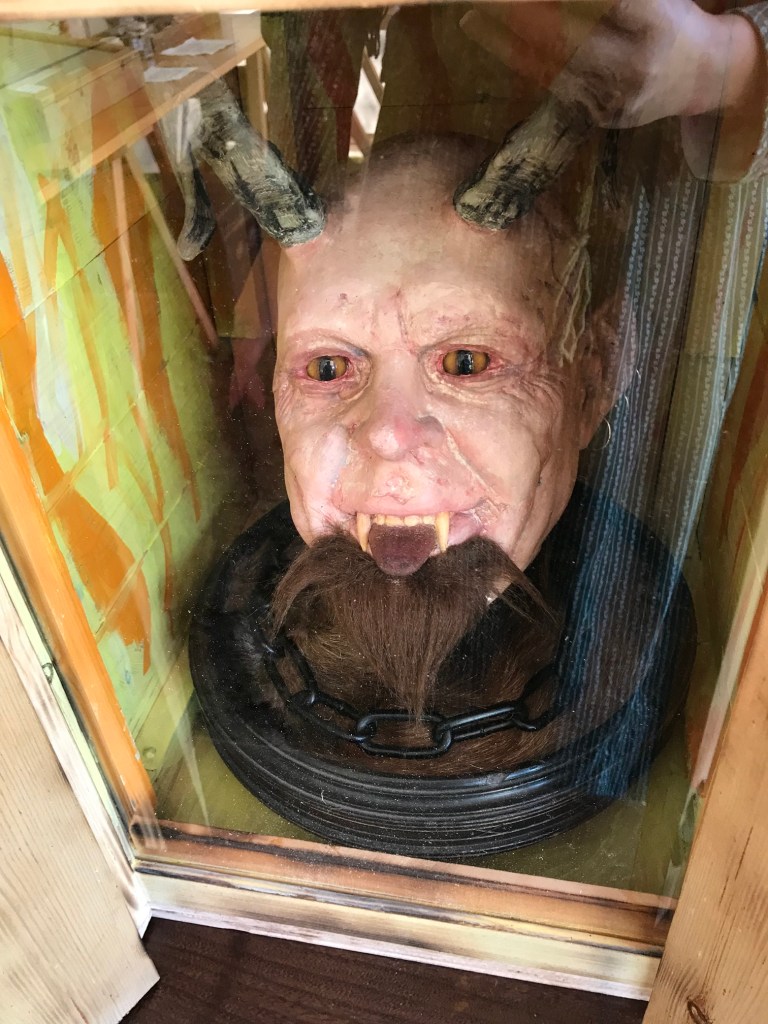
Britain is a country rich in fabulous folklore and this display will guide your visitors through the strange world of British customs and beliefs in a fun and interactive way. Suitable for children and adults alike, from 4 to 104! They can come face to face with the devil, make a witch protection mark, greet a magpie, or learn how to find a fairy.
The Devil is weaved into the tapestry of British folklore in many stories. Visitors can view him if they’re brave enough and learn about the peculiar stories connected to him. What item will stop him from entering your home? Why is it bad to burn bread or spill salt? Did the devil really leave his hoofprints in the snow? Why are there so many places named after the devil in Britain?

‘The realm of fairy is a strange shadow land lying just beyond the fields we know.’ Anon
Fairies are a fabulous part of British folklore and there are hundreds of different types of fairy. The fae prefer to be known as the good folk, the good neighbours, or the hidden people. They’ve been mentioned since at least the 13th century and there are hundreds of different types. Visitors can gaze out our mummified merperson; or find out what they need to help them see a real fairy – from hag stones to four-leafed clovers. What will protect them from the fairies? How do you break a fairy glamour? Will your visitors spy any fairies?
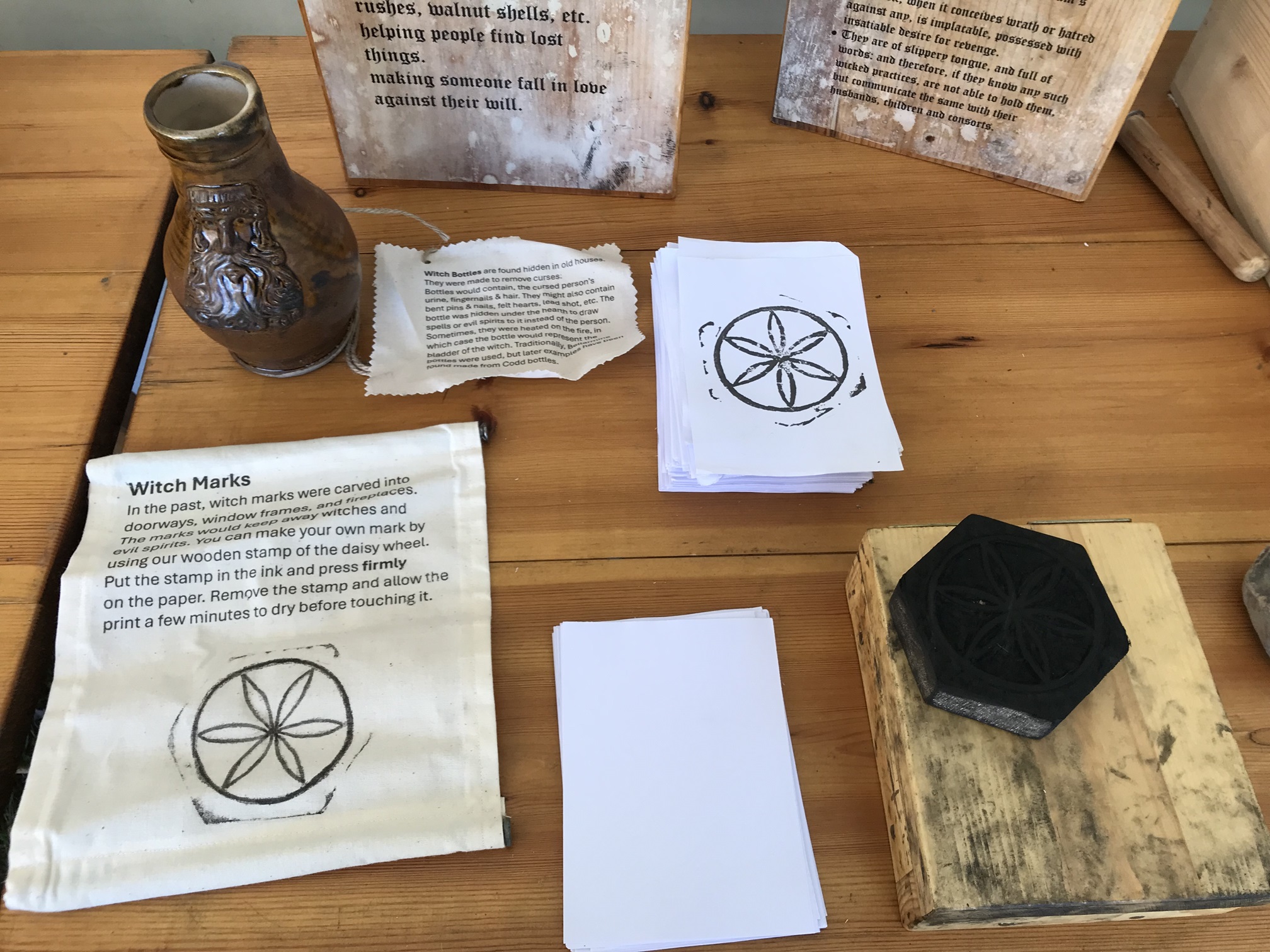
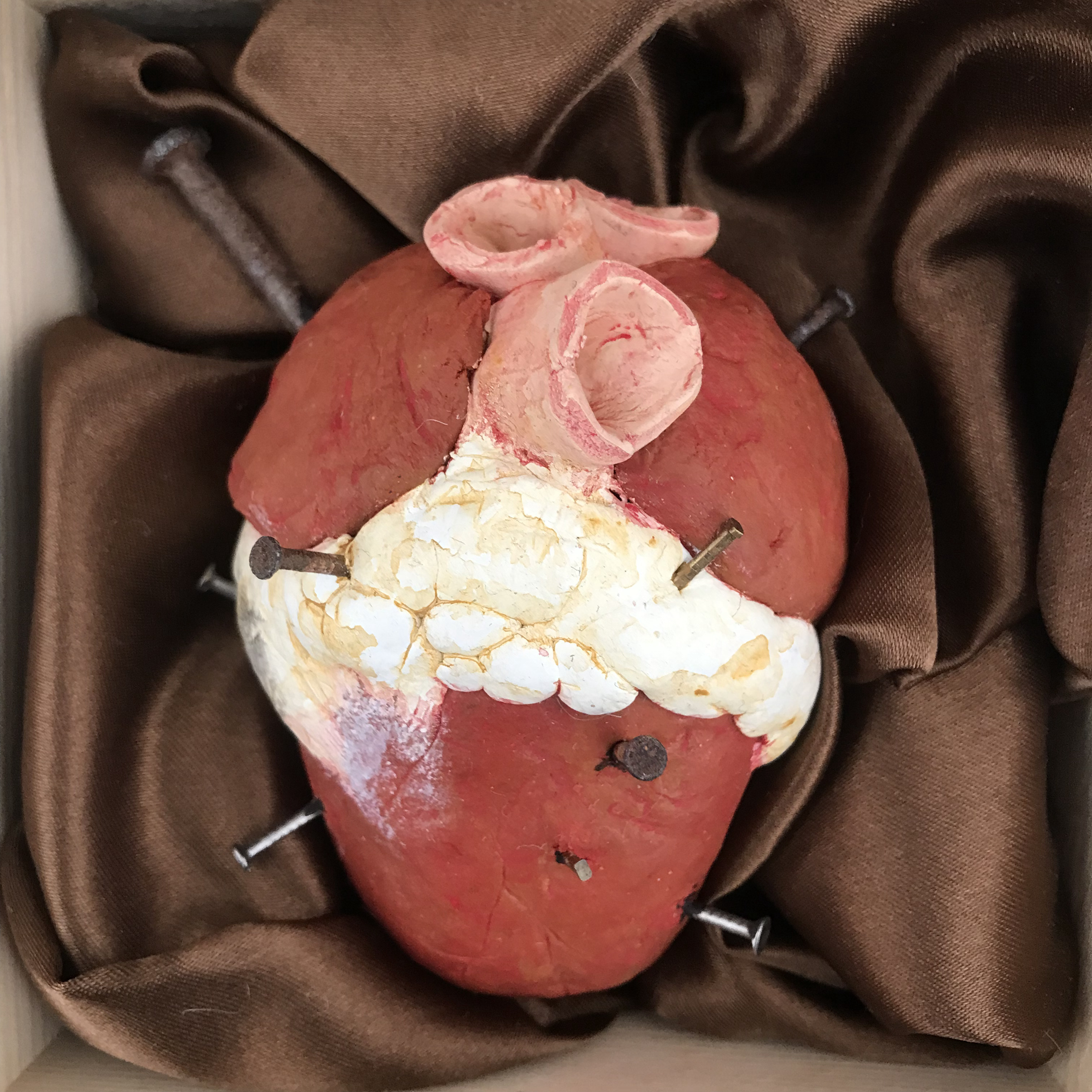
Witches have been persecuted throughout much of our history and there are many stories of famous witch trials. Widespread belief in them persisted into the 19th and even early 20th centuries and the 1735 Witchcraft Act was only repealed in 1951. How might you identify a witch? What items could protect you from one? How did witches turn invisible? How did they fly? Why did our ancestors put urine in bottles and stick nails in sheep’s hearts? Kids and adults can have a go at printing a witch protection mark and finding out whether they would test as a witch in the past.
Animals have had some peculiar folklore attached to them over the years. From the famous magpie greeting rhyme (We found about half of all visitors still do this) to odd tales about hedgehogs rolling in grapes and crab apples to take them to their young. Where did swallows go in the winter? What were the magic stones that swallows were believed to hold inside them? Why you should you tell the bees that their master was dead? Young visitors can greet our magpie and learn magpie law, carrying on the time-honoured traditions of the past.
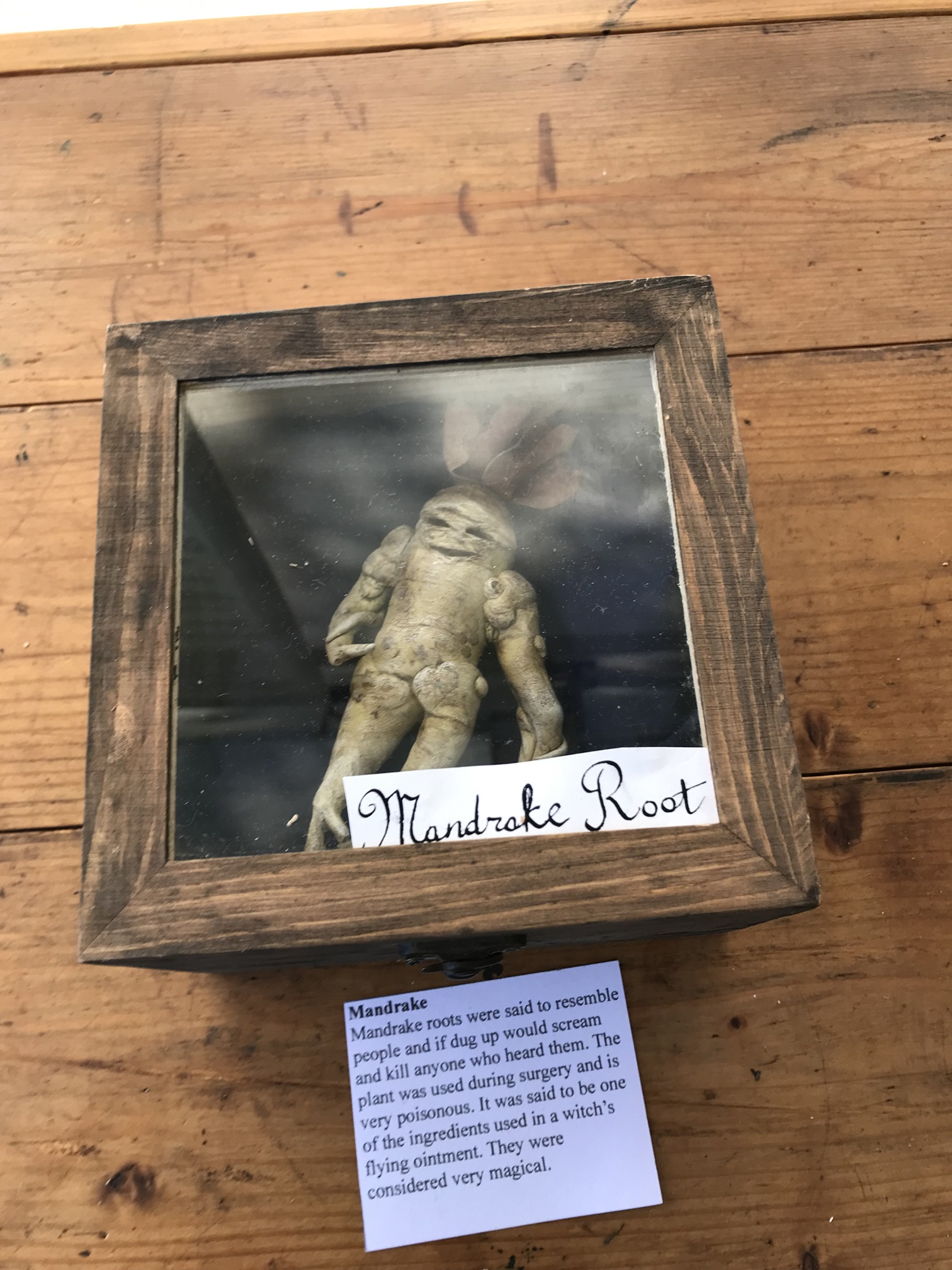
Curious Cures have been made throughout history and we have some especially strange ones to show your visitors. From the use of cheese for the aching of eyes to the application of crushed earthworms to treat dog bites. How did they treat moon-madness in Anglo-Saxon times? Why would they bury a lock of hair at a crossroads? Why would tying knots in your hair remove warts? What medicine required the use of raven’s dung? These and many more remedies are presented to delight and disgust your visitors.
Nature, harvest and the cycle of the year
In the past, a person’s fortunes depended greatly on the changing seasons and the abundance of their crops. Consequently, a lot of strange customs built up around this. Britain was still a relatively wild place in medieval times, with large woodlands and dark places for strange creatures to hide. Who was John Barleycorn and why did people sing about him? What was the Woodwose? What was the green man and why does he appear in so many churches? Why did people make corn dollies or sing songs around their apple trees?
This display is a fun and interactive dip into the customs and traditions of Britain, some of which still flourish today and with the recent resurgence in interest in folklore, it’s a great display to entertain your customers.
 Happening History
You must be logged in to post a comment.